
Always Quitting Halfway on Personal Finance? Channel Host Reveals 3 Mindsets That Prove Consistency Beats Speed
In this article, you'll learn:
Reflections on Growing a Financial Planning & Wealth Management Channel
Hi! To all of you who want to learn about personal finance and financial planning —
In the process of running a personal finance podcast and blog, I’ve discovered an important piece of financial DNA: just like personal financial planning, growth isn’t about speed — it’s about consistency. Recently, while checking the channel’s analytics, I noticed that even during “slow update” periods, subscriber counts and view numbers actually rose steadily. This got me thinking about the true essence of financial planning — persistence.
Consistency Is the Key to Financial Planning
Every financial practitioner needs to regularly review and adjust their strategy. During the period when I slowed down my posting, I observed an interesting phenomenon: quality financial planning content continues to compound, just like the compound interest effect.
Throughout that time, people kept discovering my articles through searches. The most popular posts over the previous 12 months were:
- What Is VOO? A Complete Comparison of 0050 vs VOO for Lazy Investors | Lazy to Be Rich
- 0050, VOO, QQQ Annual Return Comparison (2026 Update): Why Is the Gap So Big?
Both of these are among the most popular ETF (exchange-traded fund) articles — and looking at this data reveals something telling: readers’ search interest in “Financial Tools & Investment Products” far outweighs interest in “fund allocation.”
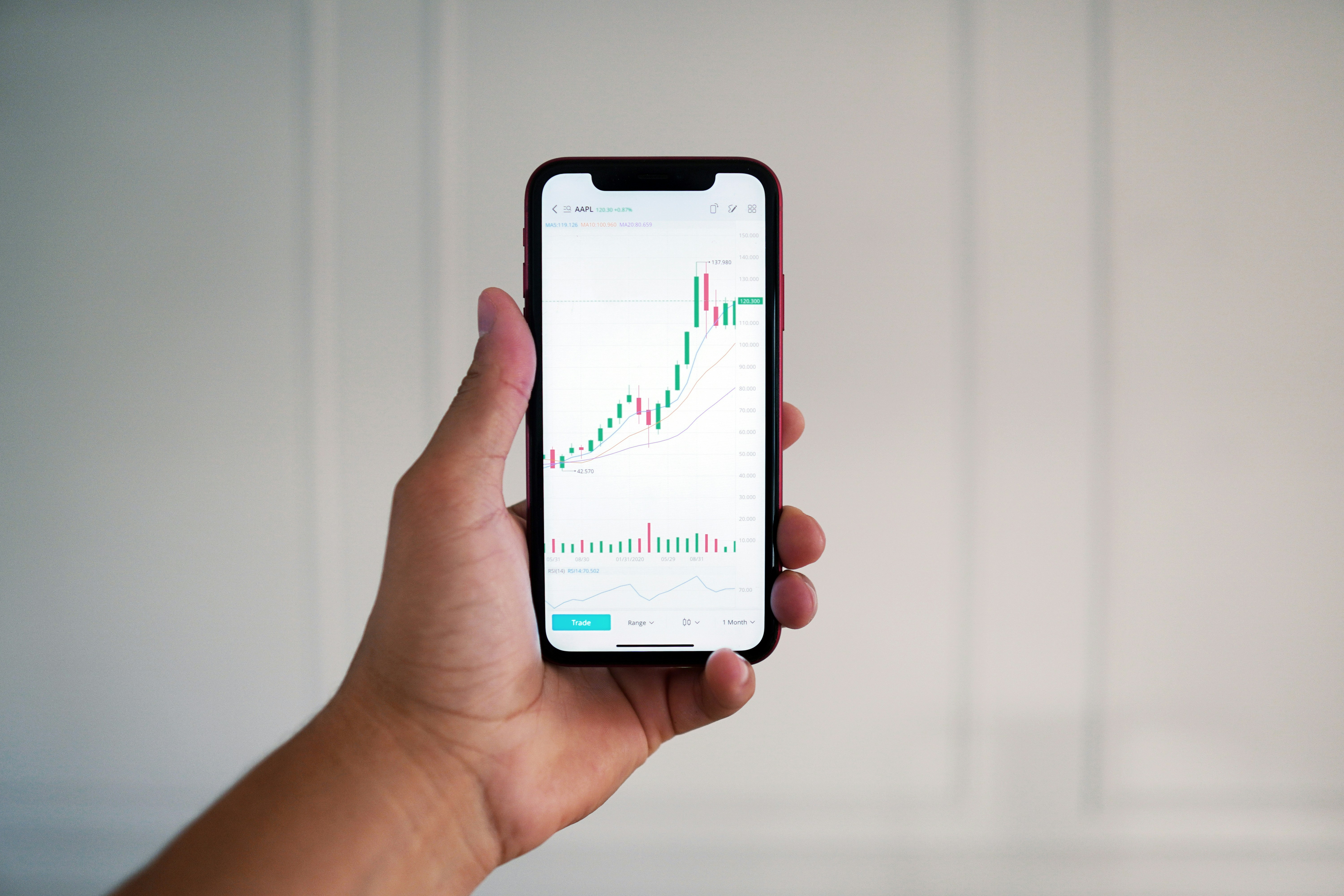
Financial Planning Is More Than a Numbers Game
Fifteen years in financial services — from insurance advisor to fintech startup CEO — has taught me this: true financial planning isn’t just stacking up numbers. What matters even more is building the right financial mindset, and then adding a genuine sense of security in life. That’s the real purpose of financial planning.
Investing means putting your money somewhere where it “might lose value.” If investing causes your money to undermine your sense of security in daily life, then no matter how good the investment instrument is, it won’t do you any good.
Not investing means putting your money somewhere where it “will definitely lose value.” If your money sits in a bank account or under the mattress for decades, the purchasing power of that money on paper will have been eaten away by inflation.
Throughout this period, articles on financial planning and investment mindset kept attracting new readers — proof of the long-term value of financial knowledge. This echoes a perspective I often emphasize in personal financial planning: quality over quantity.
Financial Planning Needs Time to Settle and Grow
Beyond running a personal finance podcast, I’m also deeply involved in the fintech industry. This dual identity gives me a uniquely grounded understanding: financial planning is a major life challenge, because I too have gone through confusion and growth on my own financial journey. From earning well, to earning a lot, to losing a lot, and then finding my way back to steady, disciplined investing — I know exactly what it feels like to go from chasing excitement to embracing stability.
When turning financial content into articles or podcast episodes, the most important question is: how do I make this content genuinely valuable? In an era of information overload, what really matters is providing readers with practical, actionable financial planning advice. My style tends to be less professional-and-stiff, and more conversational — sharing insights through casual discussion rather than formal lectures.

Find the Financial Rhythm That Works for You
Effective financial planning is about strategic thinking — achieving your financial goals in the most efficient way possible. This isn’t about cutting corners; it’s about finding the approach that fits you best.
I often say: “Financial planning should be about efficiency — use a systematic approach to achieve financial freedom. On the path to financial health, keep a long-term perspective: enjoy the present while preparing for the future.”
Lazy Da’s Takeaway

🚀 已有 1,000+ 讀者加入理財成長之路