
Small Choices, Big Impact: 3 Key Financial Mindsets from Daily Decisions
In this article, you'll learn:
The Breakfast Shop Dilemma: Where Your Financial Mindset Begins
Hi, I’m Lazy Da. Every morning when you walk into a breakfast shop, how do you order?
“Boss, same as yesterday.”
“Give me the cheapest one.”
“That looks good — I’ll take that.”
These seemingly trivial decisions are quietly shaping your financial habits. It’s not that what you order for breakfast directly affects your wealth — it’s the decision-making pattern behind it that keeps repeating itself in every corner of your life.
Last week, I happened to attend a get-together with a friend. During the chat, he told me that ever since he started consciously managing his finances, even the way he orders breakfast has changed. He used to order whatever he felt like, but now he first thinks: “Does this choice align with my goal for today?” If that’s where things have gotten to, he’s honestly gone a bit overboard — because personally, I have absolutely no trouble spending on food.
The thing that should really trigger this kind of awareness is shopping. Previous articles have repeatedly mentioned one crucial decision-making instinct: “Am I buying an asset or a liability?” “Am I consuming or investing?” These two questions actually show up in our daily choices all the time — we just don’t notice them.
This isn’t about always choosing the cheapest option. It’s about making every choice with intention.
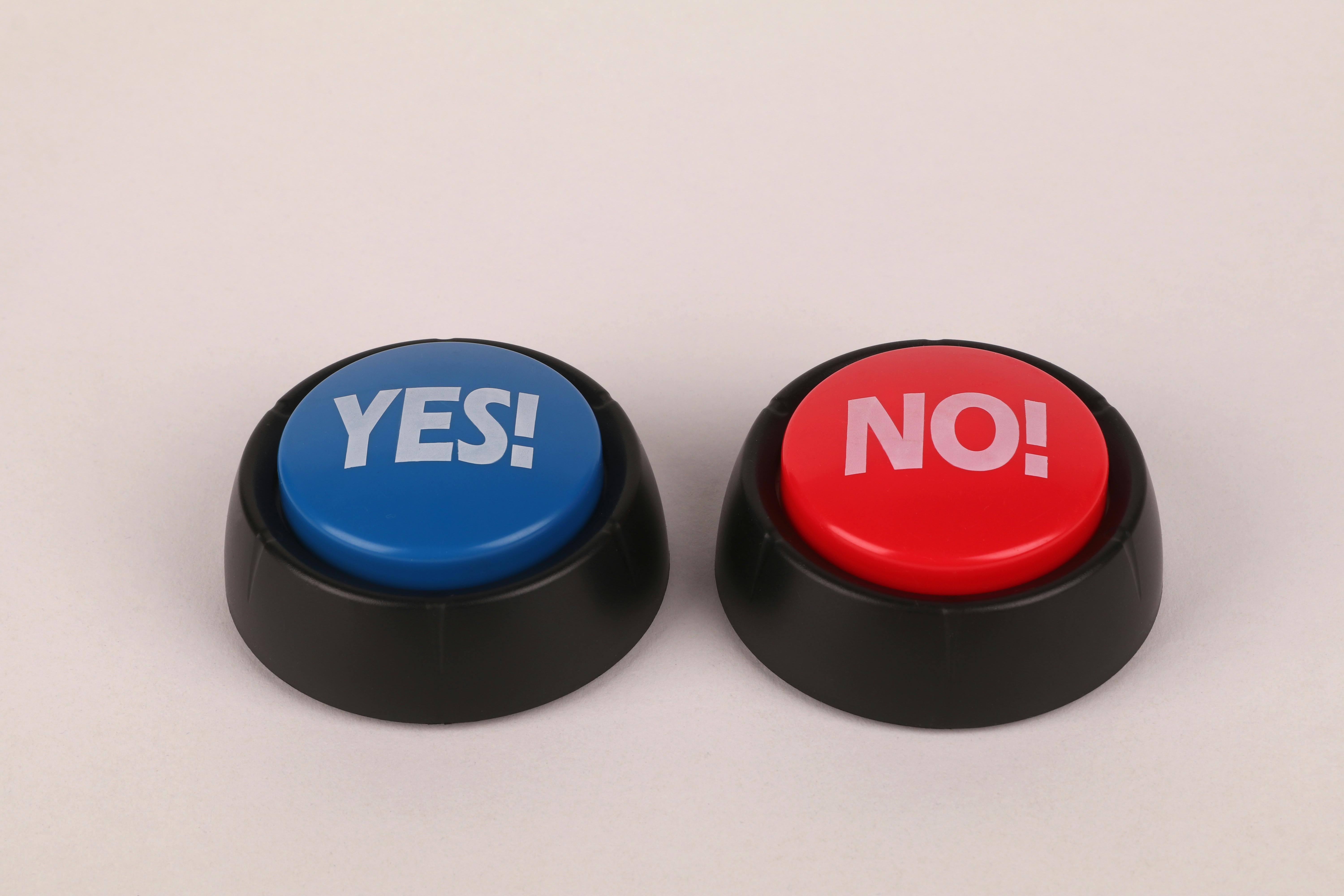
The First Key: Ask “Why” Before Choosing
The Truth About Impulse Buying
Have you ever ordered something online after seeing a “limited-time deal,” only to find you don’t need it at all when it arrives? Or been drawn in by a “buy one get one free” offer while shopping, only to realize once you got home that you didn’t need that much?
This isn’t your fault — our brains are naturally wired to be attracted to “scarcity” and “deals.” Businesses know this well, so they design all kinds of marketing strategies to trigger impulse purchases.
That said, if it’s food on sale or buy one get one free, that’s a different story — food is consumable and doesn’t keep long, so buying it makes sense. You will, however, gain weight a little faster.
Build a “Why Filter”
Before making any spending decision, ask yourself three questions:
- Why do I want this? (Is it a need or a want?)
- Does this choice align with my financial goals? (Will it help or hinder me?)
- Will I still think this was the right decision a week from now? (The delayed gratification test)
Here’s a real example. Last month I wanted to buy a yogurt maker — it was pretty cheap. Applying these three questions:
- Why do I want it? → Because buying yogurt every day costs a lot (need)
- Does it fit my goals? → Aligns with the goal of “reducing daily expenses” (yes)
- Still happy a week later? → Calculated the payback period at about 3 months (rational)
Still, I haven’t bought one yet — I’m still testing whether I can make yogurt successfully in a rice cooker. This isn’t about suppressing all spending; it’s about making every purchase meaningful.
The Second Key: The Compounding Effect of Small Money
Don’t Underestimate the Power of NT$50 a Day
“It’s only NT$50 — it doesn’t make a difference.”
This is the phrase I hear most often. But have you ever done the math?
- Save NT$50 a day = NT$1,500 a month
- NT$1,500 a month = NT$18,000 a year
- NT$18,000 invested annually at a 6% annualized return = over NT$237,000 accumulated after 10 years
The point isn’t to save that NT$50 — it’s to build sensitivity to small amounts of money. Once NT$50 registers with you, you’ll start to feel NT$500 and NT$5,000 even more.
Tip
But I’m still pretty bad about holding back when it comes to food. Whenever I buy food, I tend to spend freely. Though now that I’m bringing 2 kids to a restaurant, it easily clears NT$1,000 — that’s when it starts to register.
Start Tracking Expenses to Build Money Awareness (You Won’t Need to Do It Forever)
Many people find expense tracking tedious, but the real value of tracking isn’t the records themselves — it’s making you aware of where your money goes. Beginners have no innate “awareness” of money, similar to the concept of “market feel” (盤感) in stock trading. It takes consistent practice to gradually develop that sense.
My lazy tracking method:
- Only record “unplanned expenses” (spending outside your plan)
- Review once a week, spot the patterns
- Set one “reduction goal” per month
Just like teaching children about money starting from daily life, developing your own money awareness also starts with the small everyday things.
The Third Key: Build a “Choice System,” Not a “Restriction List”
Restrictions Don’t Last, Systems Do
“I’m going to start saving — so no drinks, no food delivery, no online shopping.”
This kind of “can’t do” list usually doesn’t survive a month. Why? Because people hate being restricted.
A more effective approach is to build a choice system:
Not “I can’t buy drinks,” but “Check today’s spending budget before buying a drink” Not “I can’t order delivery,” but “Assess whether it meets a convenience need before ordering” Not “I can’t shop online,” but “Add to cart and wait 48 hours before deciding”
The key shift: you go from “passive restriction” to “active choice.”
My Choice System in Practice
I’ve designed a simple “three-layer spending decision system” for myself:
Layer 1: Essential Expenses (rent, utilities, insurance, food) → No need to think — just pay
Info
Life necessities — never cut these. As people say, sunshine, air, water, and insurance are the 4 basic needs, and only insurance costs money; the rest are free. Rent, utilities, and gas are fixed essential expenses, but can be reduced through conservation habits.
Layer 2: Value Expenses (fitness, learning, investing in yourself) → Evaluate how it contributes to your long-term goals
Note
I’ve been eyeing an e-reader for over half a year and still haven’t pulled the trigger. I keep thinking I can wait — because I can’t even finish the books I borrow from the library. If I actually bought books, I don’t think that would count as a value investment; it’d be more of an impulse. So I haven’t done it.
Layer 3: Leisure Expenses (entertainment, dining out, shopping) → Set a monthly budget; spend freely within that limit
Warning
If you’ve read my article about “high-end paycheck-to-paycheck living” (高級月光族), you’ll know that I’m actually pretty relaxed about Layer 3 — I spend money on things I enjoy, like coffee and nice meals out. But the prerequisite is that Layers 1 and 2 are already handled.
This system lets me control spending without feeling deprived. More importantly, it keeps my focus on “what’s worth spending on” rather than “what I can’t spend on.”
Similar to learning to save first and spend what remains — the point isn’t how much you spend, but that every dollar is spent meaningfully.
From Awareness to Action: Three Exercises You Can Start Today
You understand the theory — but how do you begin? Here are three simple exercises to start changing today:
Exercise One: Today’s Spending Diary
Before today ends, record on your phone:
- What did I spend money on today?
- Which purchases were planned? Which were impulsive?
- If I could do it again, would I make a different choice?
No need to do this every day — once a week is enough.
Exercise Two: A Self-Conversation Before Your Next Purchase
Next time you want to buy something, try having a conversation with yourself:
- “Why do I want this?”
- “Will this make my life better?”
- “Will I still remember buying this a month from now?”
If all the answers are yes, go ahead and buy it! Financial planning isn’t about being an ascetic — it’s about making every purchase worth it.
Exercise Three: Set One Small Goal
Don’t start by thinking “I’ll save NT$1,000,000.” Begin with small goals:
- Spend NT$500 less on eating out this month than last month
- Put an unexpected income windfall into savings this week
- Write out your “want but not urgent” list this month, and make decisions at month-end
Small wins bring a sense of achievement, and that feeling generates ongoing motivation.
FAQ
Further Reading
Lazy Conclusion

Financial planning isn’t some profound academic subject — it’s the accumulated result of a series of conscious choices.
Starting from today’s breakfast, from the next time you go shopping, from every moment a “should I buy this?” thought crosses your mind — try asking yourself one more question: “Is this choice really what I want?”
You don’t need to be perfect. You don’t need to get it right every single time. What matters is starting to be aware that you are making a choice.
🚀 已有 1,000+ 讀者加入理財成長之路