
5 Financial Lessons from the Movie "Hijack 1971": Risk Management and Opportunity Cost in Action
In this article, you'll learn:
What Is “Hijack 1971” About?
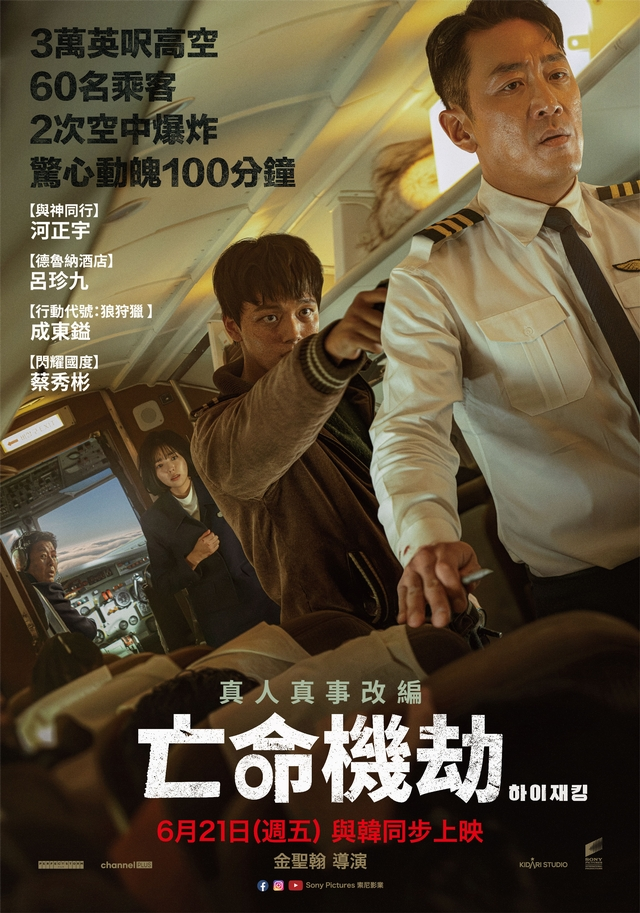
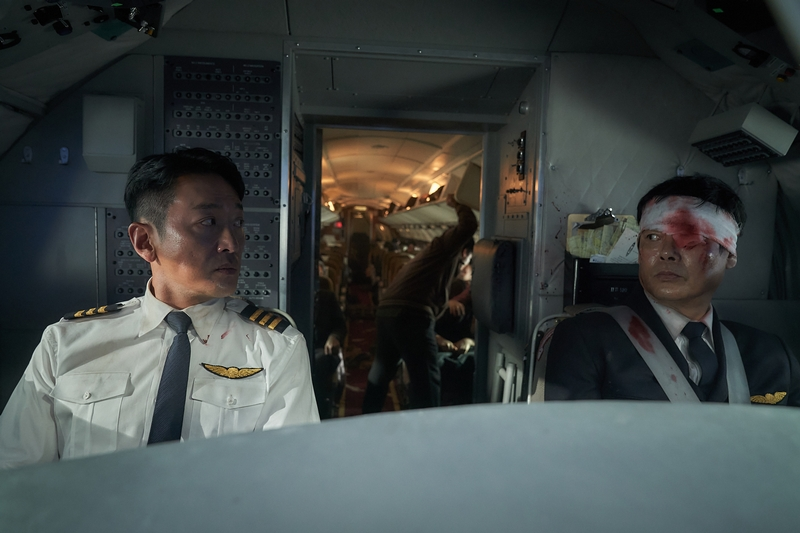
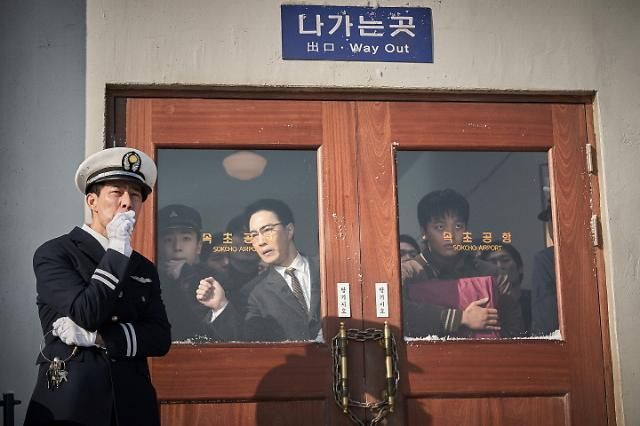
Hijack 1971 is based on a true story from 1971. Captain Gyu-sik (Sung Dong-il) and co-pilot Tae-in (Ha Jung-woo) — a former fighter pilot who left the South Korean Air Force after an incident — becomes a commercial airline co-pilot. In the film, they’re flying a plane with 55 passengers from Sokcho Airport to Seoul’s Gimpo Airport.
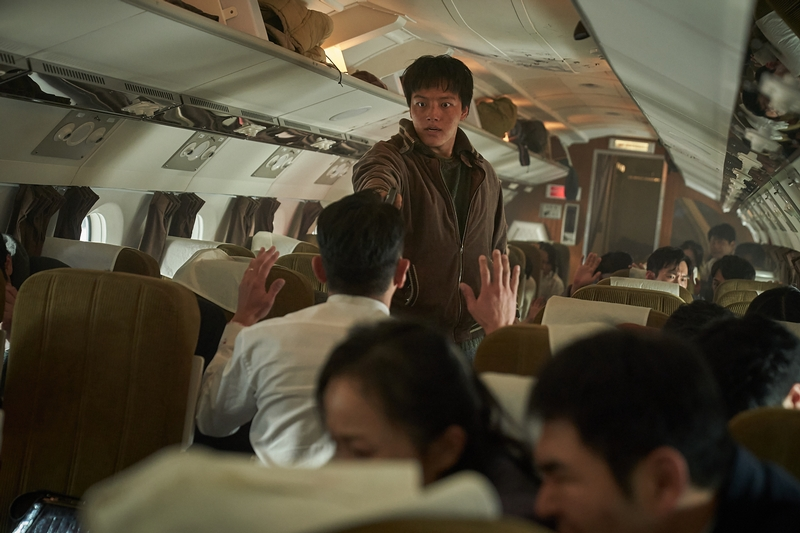
Shortly after takeoff, a bomb explodes on board. A passenger named Yong-dae (Yeo Jin-goo) declares the plane is heading to North Korea. The 60 passengers and crew must act quickly to prevent the plane from crossing the 38th parallel. The captain is injured, and the flying falls to co-pilot Tae-in. But Yong-dae has more bombs and begins harming passengers. With fighter jets from both sides scrambling, how Tae-in manages to land safely becomes the ultimate challenge. Naturally, my eyes kept drifting to the lovely flight attendant Ok-soon (Chae Soo-bin) for the entire movie.
Is “Hijack 1971” Worth Watching?
Great Movie
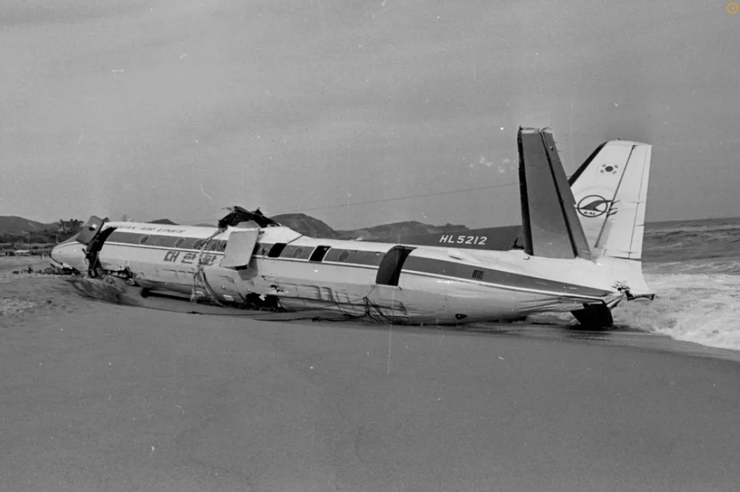
“Hijack 1971” blends historical drama with action. On July 27, 1953, North and South Korea signed an armistice, ending East Asia’s biggest post-WWII war and ushering in the Cold War between the two sides. From the 1950s through the 1980s, numerous military and civilian aircraft hijackings occurred during the post-armistice period. The January 23, 1971 “Korean Air F27 Hijacking Attempt” is the real-life basis for “Hijack 1971.”
I even looked up what was happening across the Taiwan Strait at that time. Surprisingly, the ROC government (Taiwan) was also encouraging Chinese nationals to defect during that era, and cross-strait hijackings occurred from 1960 to 1993. While hijackings are nearly unimaginable in today’s world, this film based on a historical event still packs a punch. Some tense scenes had me almost crushing my Coke cup.
The movie works because it’s not a boring period drama or a one-note action flick. There are nuanced moments that demand real acting chops, and every detail is thoughtfully addressed. Through some creative adaptations, the tension is heightened without going overboard into absurdity. The acting combined with the dialogue feels comfortable. Sure, there are some unbelievable moments (the kind where you think “why don’t they just do this?” but the movie won’t let it happen — go see it yourself for the specifics).
No Dull Moments
The movie opens with a scene of the first plane being hijacked. I arrived a bit late and thought I was in the wrong theater — it felt like the trailer was already playing through to the ending. I kept checking my ticket before I could relax in my seat.
Although I started out munching on popcorn and sipping Coke, I gradually got pulled into the story and slowed down. By the midpoint, I decided to finish my food quickly so I wouldn’t be distracted. By the finale, I was so tense I nearly crushed my Coke. The whole experience was incredibly satisfying.
My Questions from the Trailer (No Spoilers)
- Can a plane still fly with a hole blown in it?
- Can a commercial plane dodge a fighter jet?
- Can a commercial plane do a vertical climb loop?
- Why were they running to board the plane?
- Is hijacking really that easy?
Cinematic Liberties — But Not Over-the-Top from a Viewer’s Perspective
Of course I couldn’t have experienced what actually happened on that plane. The movie obviously took creative liberties. Some scenarios may or may not have actually happened or been possible, but just accept that they could exist — that way it doesn’t feel fake. After all, I paid to see great storytelling and a movie that’s worth the ticket price.
I was curious enough to research online whether a commercial plane could actually perform those maneuvers shown in the film. Some scenes genuinely blew my mind. After checking, I honestly felt this movie pushed a commercial aircraft to its absolute cinematic limits.
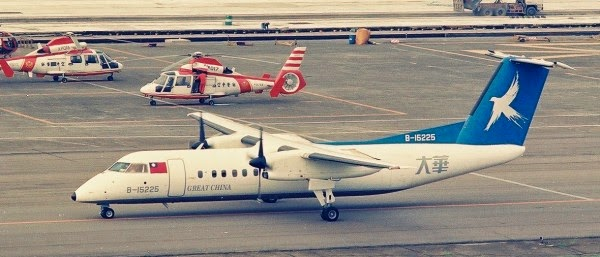
Beyond that, being almost 40, I grew up with my grandma’s house in Penghu (an island off Taiwan’s coast), so I’ve been flying on small commercial planes since I was very little. It reminded me of riding Great China Airlines as a kid — though that was in the 1980s–1990s, not far from the 1971 setting. Seeing that old-school airplane on screen really hit home.
Is “Hijack 1971” Worth Seeing in Theaters?
Absolutely Worth a Theater Visit
The aerial scenes of commercial and fighter planes in the trailer sold me. And I wasn’t disappointed — those sequences weren’t just teasers; they were integral parts of the movie. The film combines commercially appealing “action elements” with emotionally resonant “historical elements” into a politically meaningful story. (Personally, I’m on Team Democracy — at least I’m free within imperfect freedom, rather than unfree within unfreedom.)
Movie Trailer
3 Thoughts from a Finance Person After Watching “Hijack 1971”
“Hijack 1971” Reminds You to Always Get Travel Insurance When Flying
It may provide more of a comfort-level payout, but remember to always get travel accident insurance when flying. In today’s world, hijacking a plane is much harder, and surviving a hijacking is even harder. After the 9/11 attacks in the US, airport and in-flight security measures are exponentially stricter than what’s shown in the movie.
Info
Sample Hijacking Insurance Clause
When the insured encounters a hijacking incident during overseas travel, from the date the hijacking begins to the date of release, the company shall pay hijacking compensation insurance based on the “daily hijacking compensation amount” multiplied by the number of days of hijacking. Periods of less than 24 hours shall be counted as one day, with a maximum of 10 days per incident.
The Passengers in “Hijack 1971” Represent Everyone in Real Life (Minor Spoilers)
- A wealthy person facing a hijacking: still thinking about the valuables they brought on the plane.
- A mother going to visit her sick daughter, bringing a live chicken on the plane:
- Reminded me of a heartwarming story from a few years ago about a grandmother who took four connecting flights to Venezuela to help her daughter during postpartum recovery.
- A pair of newlyweds
- A face-obsessed prosecutor’s son who witnesses the power of a mother’s love through the crisis.
The movie has many more character types, all packed into that tiny cabin. 60 people means 60 different lives — to me, that’s like 60 different financial DNA profiles. When faced with the same situation, everyone makes different financial decisions.
Hijacking a Plane for 1 Billion Requires a Plan — Real-Life Finances Need One Even More
If hijacking a plane to North Korea could yield 2 million USD, at the 1971 exchange rate of roughly 1:40 TWD to USD, that’s NT$80 million. Adjusting for inflation using data from Taiwan’s Directorate-General of Budget, Accounting and Statistics, Taiwan’s CPI rose about 13x from 1971 to 2023. So roughly, NT$1 in 1971 equals about NT$13 today. That NT$80 million times 13 equals… NT$1.04 billion. One billion is an astronomical figure — no amount of financial planning gets you there through “dreaming” alone, and for wage earners, aside from winning the lottery, there’s really no chance.
Tip
We oppose hijacking, but we encourage solid financial planning — having clear goals and working toward them.
 Source: Central Bank of Taiwan
Further Reading
Lazy Da’s Conclusion

Before the pandemic, I always loved shutting myself inside that dark box of a movie theater. Whether the movie was good or bad, that feeling of emerging “reborn” from the black box was what I craved. And of course, the higher the movie’s value-for-money, the stronger that sense of rebirth.
Enjoy the movie, and I hope you find discussing finances through film as fun as I do.
🚀 已有 1,000+ 讀者加入理財成長之路