
財務規劃與心態
VOO vs QQQ vs VT 2026: Fees, Returns & Risk Compared — Pick Your ETF
The data speaks! We dive deep into 10 popular ETFs, including the latest expense …
2026-02-07
5 分鐘 →
Hi! I’m Lazy Da from Lazy to Be Rich, a financial advisor.
Over the course of my career, I’ve worked with many couples trapped by money troubles. Today, I want to share a case that moved me more than any other — how two people stepped back from the edge of a broken relationship and rediscovered financial and emotional harmony.
Did you know? According to a 2026 survey by the Taiwan Academy of Banking and Finance (金融研訓院), over 68% of Taiwanese couples argue about money at least once a month.
My clients — Ariel and Ben (names changed) — were once right at the center of that storm.
I still remember when Ariel first came in for a consultation and described the moment she’ll never forget. It was the last day of the month. She was checking out at the supermarket when her phone buzzed with an “insufficient balance” notification. Her heart sank. She had to awkwardly ask the cashier to set her items aside.
She dragged herself home, exhausted. The moment she opened the door, she spotted something — a glaring orange shoebox. Her husband Ben had bought another pair of limited-edition sneakers. NT$8,000.
Ariel told me the fury hit her in an instant: “You bought more shoes? We only have NT$87 in our account!” “These are limited edition — if I miss them, they’re gone. Besides, didn’t you buy a jacket last week? Why are you making such a big deal out of pocket change?”
Ariel said that phrase — “pocket change” — felt like a knife to the chest. What was small money to Ben was three full days of lunch for her.
Their money philosophies were polar opposites: Ariel was a classic “saver,” whose sense of security came from her bank balance. Ben was the “live for today” type, who believed money existed to improve your quality of life. This fundamental difference kept them cycling between the “payday honeymoon” and the “end-of-month meltdown,” month after month — slowly grinding down five years of love.
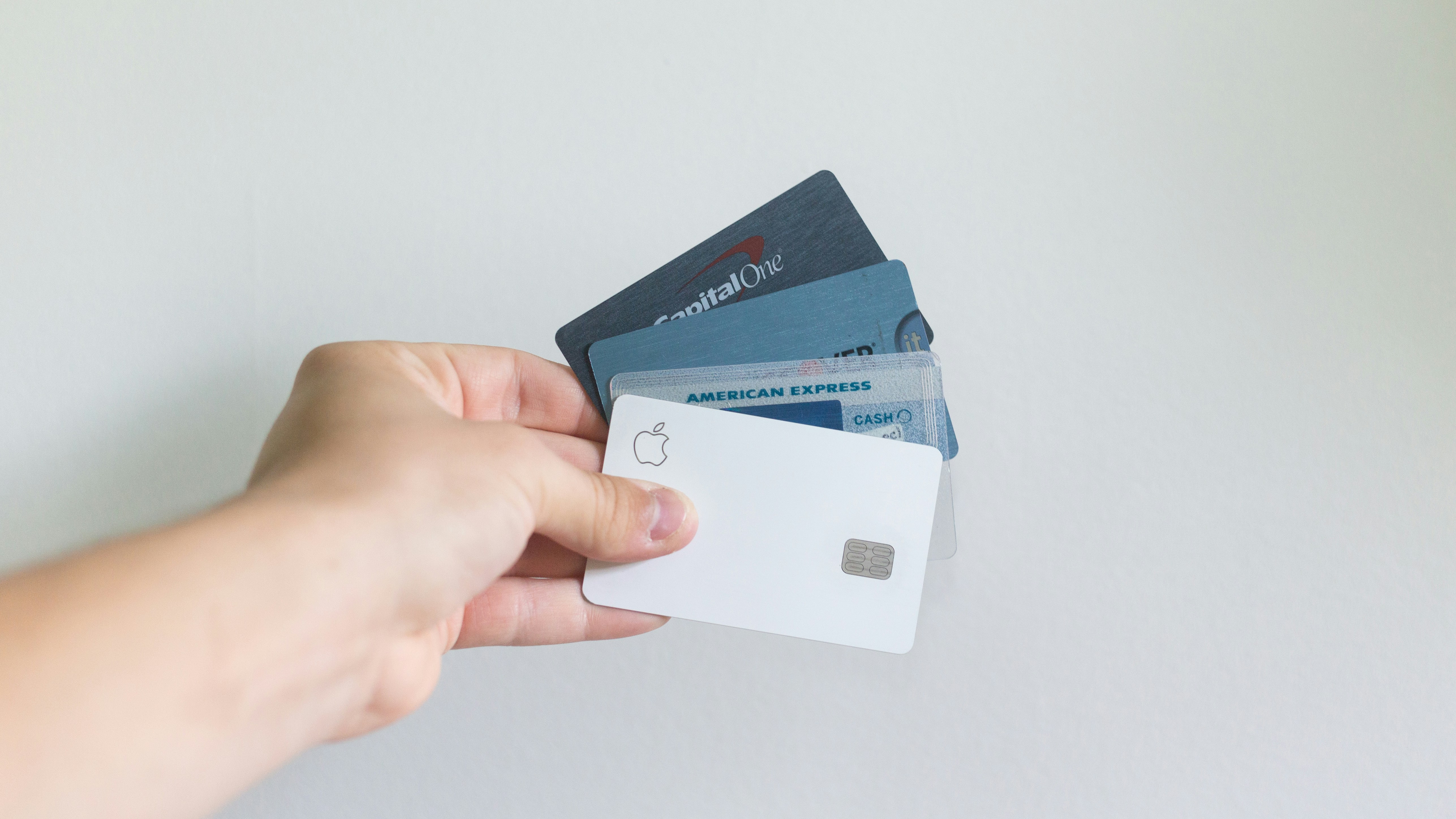
The moment things changed came from the most ordinary of bank notifications.
A text message informed them that their automatic credit card payment had failed — their bank account didn’t have enough to cover it.
Not only did they instantly incur a NT$300 penalty, but revolving interest would start accumulating.
Ariel said the amount wasn’t huge, but it felt like a hard slap in the face — they had worked a full month and couldn’t even pay their own credit card bill. 💸
That same week, at a high school reunion, they watched friends their age buying homes or preparing to have children. Meanwhile, they couldn’t even manage their own bills. The sharp pang of inadequacy made them, for the first time, truly face the severity of the problem.
After hearing their story, I quickly realized: their problem wasn’t a lack of love, or a lack of money. It was the absence of a shared “money management system” they both believed in.
So I told them: “Instead of blaming each other for the past, let’s build a brand new financial future together.”
After thoroughly understanding their income, spending, and values, I designed a custom solution I call the “Marriage Finance System” — the 3-Account System:
The beauty of this system is that it respects both “shared responsibility” and “personal freedom.” Money stops being a trigger for war and becomes a catalyst for partnership.
| Account Type | Purpose | Funding (Recommended) | Core Value |
|---|---|---|---|
| Shared Living Account | Rent, utilities, groceries, and other fixed costs | 50% of each person’s salary | Responsibility & Partnership 🤝 |
| Personal Freedom Account | Each person’s personal spending, fully autonomous | 20% of each person’s salary | Autonomy & Respect 🧘♀️ |
| Shared Dream Account | Travel, home purchase, children, retirement, and other long-term goals | 30% of each person’s salary + 50% of bonuses | Future & Anticipation ✨ |

Many people ask me why I use income proportions rather than fixed amounts. Great question!
Warning
If you’re still going to keep score after all this… well, I don’t know what to tell you!
Of course, the proportional approach isn’t perfect for every situation. If the income gap is extreme (e.g., one partner earns three times or more than the other), or if one person has special financial circumstances (such as significant debt), a more customized arrangement is needed.
But for most couples with an income ratio within 2:1, proportions are usually the simplest, fairest, and most sustainable approach.
A year later, Ariel and Ben came back for their annual review, and the smiles on their faces were the best progress report I’ve ever gotten.
They excitedly shared:
Last week, Ben had proactively suggested adjusting the Personal Freedom Account — shifting 5% of it into the Dream Account — because he wanted to speed up their home purchase plan. Ariel said she was moved to tears. The man who once only cared about the present moment now genuinely cared about their shared future.
What they got back wasn’t just money. It was trust and respect for each other.
Watching them, I was reminded again: financial management isn’t a constraint — it’s a path to greater freedom. When you’re no longer anxious about money, your heart and your relationship can truly be free.
If Ariel and Ben’s story touched you, I hope you won’t just read and move on.
Real change starts with action. The most important step isn’t rushing to the bank to open three accounts — it’s having the courage to start an honest conversation with your partner about money.

Of course, every family’s situation is different. If you’ve tried this and still face challenges, or if you’re dealing with more complex financial issues (such as debt consolidation, insurance planning, or saving for a down payment), feel free to leave a comment or reach out for a Financial Consultation.
I’d love to get to know your situation better and help you build a personalized family financial roadmap — either through the blog or in a session together.
And finally, share this post with your most important “life partner”!
Let’s embark on this journey to financial freedom and relationship freedom together.
Remember: financial harmony isn’t the destination — it’s the starting point for a happier life.
I’m Lazy Da, your no-nonsense financial coach. See you next time! 👋
🔒 免費訂閱,隨時可退訂
📩 訂閱即送 · Lead Magnet
訂閱即送 「ETF 懶人投資工具包」(VT/VOO/QQQ/0050 速查表、投資前檢查清單、定期定額紀律表)。有值得講的才寄 · 隨時退訂。