財務工具與金融商品
Will the AI Capex Bubble Burst? The "Rule of 25" Drawn From 250 Years of Market History
When will the AI capex bubble burst? Barron's uses 250 years of market …
2026-08-29
7 分鐘 →
Hey! I’m Lazy Da, welcome to “Lazy to Be Rich”! Today let’s talk about an ETF that’s absolutely perfect for the lazy investor — the Vanguard Total World Stock ETF (VT). This ETF is like a global passport for the stock market — one fund to invest in the entire world, simple and effective! Want to know how VT has performed, why it’s great for long-term investing, and how it differs from other popular ETFs? Let me walk you through it in a friendly way, with examples and tables!
VT, short for Vanguard Total World Stock ETF, was established on June 24, 2008, and tracks the FTSE Global All Cap Index. This index covers over 9,000 stocks — from Apple and Microsoft in the US, to Nestlé in Europe, Toyota in Japan, and even TSMC (Taiwan Semiconductor Manufacturing Company) in emerging markets. Virtually every publicly traded company in the world is represented. Simply put, buying VT is like owning a tiny slice of the entire global stock market — perfect for the investor who wants peace of mind and broad diversification!
When I first heard about VT, I thought of it as a “lazy investor’s dream tool.” No need to pick individual stocks, no need to worry if one country or sector underperforms — VT spreads your risk across the entire world. Let’s take a closer look at how it has performed and why it’s a solid choice for long-term investors.

VT has been through a lot since its founding on June 24, 2008 — the financial crisis, the tech boom, and many market cycles in between. Based on available data, VT’s annualized return has been approximately 7–8% (the exact figure varies depending on the calculation date). This means that if you had invested NT$100,000 (approximately USD 3,000) back then, after 16+ years it may have grown to around NT$300,000 — assuming compound returns. While not as flashy as certain tech stocks, given its low risk and broad diversification, this is actually a very solid track record!
Story time: My friend Xiao Ming heard me mention VT back in 2010 and decided to invest a fixed amount of NT$1,000 each month. Even though he occasionally worried about market volatility, because VT covers the whole globe, he never lost sleep over any single market collapsing. By 2026, his investment had grown into a substantial sum, giving him even more confidence to keep going with his “lazy investing” approach!
Based on publicly available market data as of January 31, 2026, VT’s 10-year annualized return remains in the high single-digit to low double-digit range. This demonstrates VT’s long-term diversification effectiveness across business cycles, though the exact figures may differ slightly between platforms depending on whether dividends are included or excluded. For consistency, track this using the same data source over time.
Here are VT’s annual returns over the past few years to give you a clearer picture:
| Year | VT Return (Reference) | Notes |
|---|---|---|
| 2025 | 20.56% | Aggregated platform figure |
| 2024 | 16.49% | Historical annual figure |
| 2023 | 22.02% | Historical annual figure |
| 2022 | -18.01% | Historical annual figure |
Sources: Vanguard official page, Yahoo Finance, YCharts (see sources at end of article)
From the table, you can see that VT shines during bull markets (like 2023) and tracks market downturns closely during bear markets (like 2022), demonstrating consistent index-tracking capability.
As a true believer in the “Lazy to Be Rich” philosophy, I always advocate for simple, efficient investing — and VT is exactly that. Here are the three main reasons VT suits long-term investors:
VT holds over 9,000 stocks covering the US (approximately 60%), Europe, Asia, and emerging markets. This broad diversification reduces the risk of any single market or sector dragging down your portfolio. For example, when US tech stocks decline, consumer companies in emerging markets might be rising — VT balances these swings and keeps your investment more stable.
Real example: In 2022, the US stock market took a heavy hit due to inflation and interest rate hikes, but some emerging markets (like India) held up relatively well. VT’s global allocation ensured investors didn’t lose on every front.
VT’s expense ratio is just 0.06%, far below most actively managed funds (which typically range from 0.5–1%). A low expense ratio means you keep more of your returns — and over the long run, that difference is enormous. Assume you invest NT$1,000,000 (approximately USD 30,000): a 0.5% difference in expense ratio over 30 years could cost you hundreds of thousands of NT dollars. VT’s low cost is a perfect match for the “lazy investing” principle of saving effort and money simultaneously.
For busy working professionals or beginner investors, VT is a one-stop solution. You don’t need to research individual markets, pick stocks, or adjust your allocation — just buy VT and hold it for the long term, and you participate in global economic growth. That simplicity frees up your time for life, career, and personal development.
Lazy Da’s reflection: I often say that investing is like planting a tree — choose the right seedling (a great asset like VT), water it patiently (invest regularly), and time will do the rest. VT lets you plant a “tree of the world.” Why not?
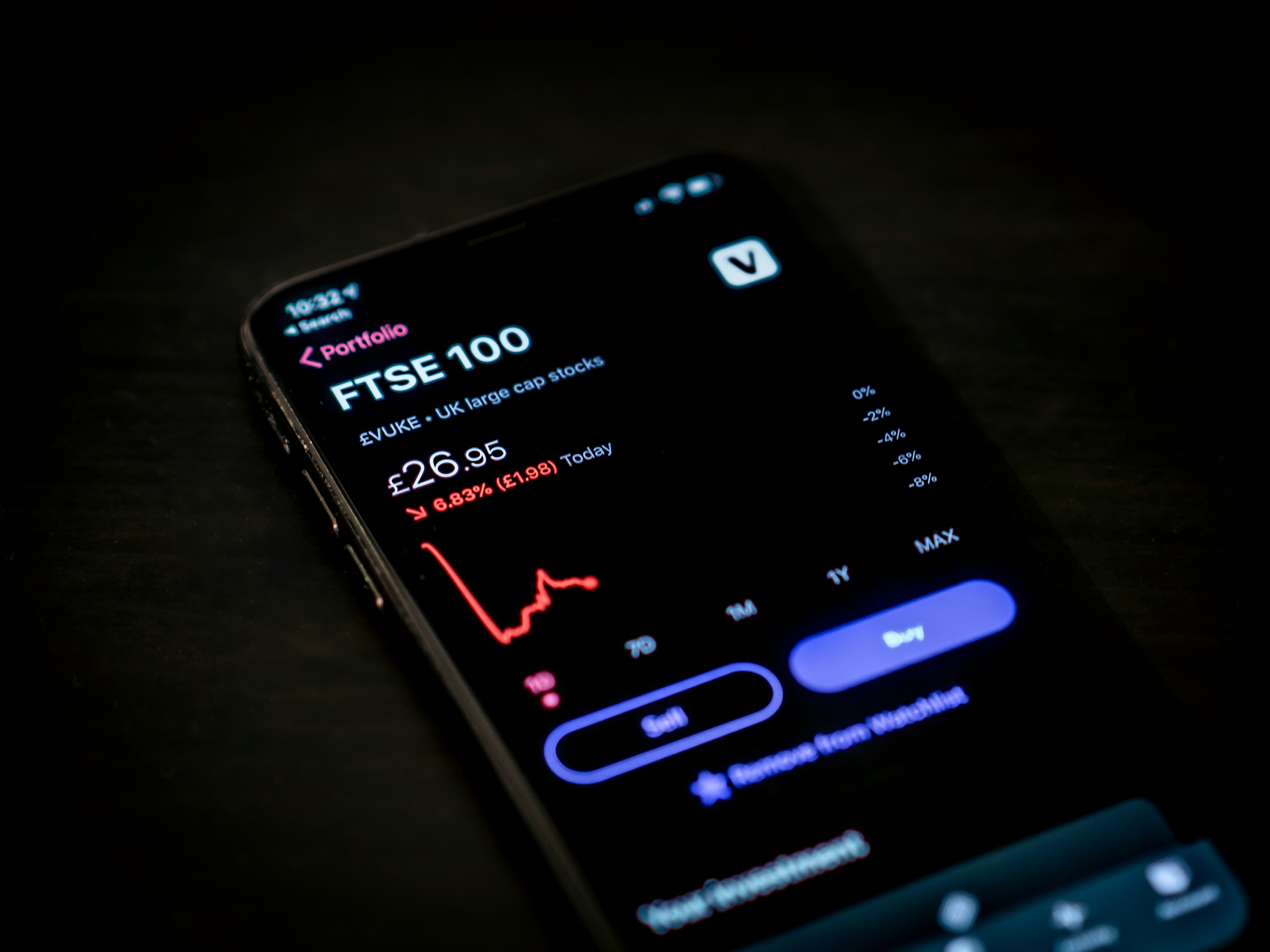
There are many popular ETFs in the market, and VT, VTI, VOO, and QQQ each have their own characteristics. Here’s a comparison to help you find the right one for you:
| ETF | Index Tracked | Investment Scope | Expense Ratio | Best For |
|---|---|---|---|---|
| VT | FTSE Global All Cap Index | Global stocks (US + international) | 0.06% | Long-term investors seeking global diversification |
| VTI | CRSP US Total Market Index | Entire US market (large/mid/small cap) | 0.03% | Investors focused on the US market |
| VOO | S&P 500 Index | US large-cap stocks | 0.03% | Investors wanting exposure to top US companies |
| QQQ | Nasdaq-100 Index | US tech & growth stocks | 0.20% | Aggressive investors who can tolerate high volatility |
Sources: Vanguard, Yahoo Finance
Lazy Da’s tip: If you believe in global economic growth over the long run, VT is your best bet. If you’re particularly bullish on the US, VTI or VOO may be a better fit. If you’re chasing high growth, QQQ might be your pick. But always remember — your choice should align with your risk tolerance and financial goals!
Every investment has two sides, and VT is no exception. Here’s a balanced analysis to help you evaluate more fully:
Real example: During the early COVID-19 pandemic in 2020, VT dropped roughly 20% partly due to emerging market headwinds — but it quickly rebounded, showing its long-term resilience. In comparison, QQQ experienced even greater swings due to tech stock dominance, recovering faster but with higher risk. This reminds us that VT suits patient long-term investors, not those chasing short-term gains.

After reading about VT’s performance and features, are you a little tempted? Here are some practical tips to help you incorporate VT into your financial plan:
Lazy Da’s reflection: Investing in VT is like buying a ticket to the global economy. You don’t need to predict which country will “win” — you just need to believe that humanity will keep moving forward. That simple belief fills me with confidence every time I buy more VT!
VT is the perfect tool for living out the “Lazy to Be Rich” philosophy! Its low cost, broad diversification, and straightforward approach let you effortlessly participate in global wealth creation. Now, take a moment to ask yourself:
Start today! Open a brokerage account (contact me to learn about discounted commission rates), set up a regular VT investment plan, and let time and compounding work for you. Remember — investing doesn’t have to be complicated. The simplest choices often deliver the greatest returns!
🔒 免費訂閱,隨時可退訂
📩 訂閱即送 · Lead Magnet
訂閱即送 「ETF 懶人投資工具包」(VT/VOO/QQQ/0050 速查表、投資前檢查清單、定期定額紀律表)。有值得講的才寄 · 隨時退訂。