Consumer Psychology Analysis: Understanding the Financial Lesson of "Needs vs. Wants" from McDonald's and Starbucks
In this article, you'll learn:
Lazy Summary
Hey lazy fans who want to be lazy but can’t, or can’t be lazy but seem lazy, today we’re going to talk about buy-one-get-one-free, which seems great, but there are different consumer psychology states involved. Do you think any buy-one-get-one-free deal is a good thing?
McDonald’s Buy-One-Get-One-Free: More Than Just Food, It’s a Physiological Need
First, let’s talk about McDonald’s. When you choose McDonald’s’s buy-one-get-one-free, you’re not just buying food, you’re buying time and convenience. This choice not only solves your hunger problem but also makes your life more efficient. Almost no one thinks eating McDonald’s is a fashionable or extravagant thing (not discussing how disadvantaged families view McDonald’s). So, McDonald’s’s buy-one-get-one-free is a high-CP (cost-performance) way to spend freely!
Do I Have to Be So Rational Even When Buying McDonald’s Buy-One-Get-One-Free? Ugh, Personal Finance Is Too Tiring
Of course, you don’t have to be so tired even when buying McDonald’s! The point here is that we buy McDonald’s buy-one-get-one-free mainly because it satisfies a physiological need and offers good CP value.
The reason for constantly emphasizing physiological needs is that, in Maslow’s hierarchy of needs, physiological needs are unavoidable.
Starbucks: Coffee Beyond Physiological Needs, Also a Social Symbol and Psychological Satisfaction
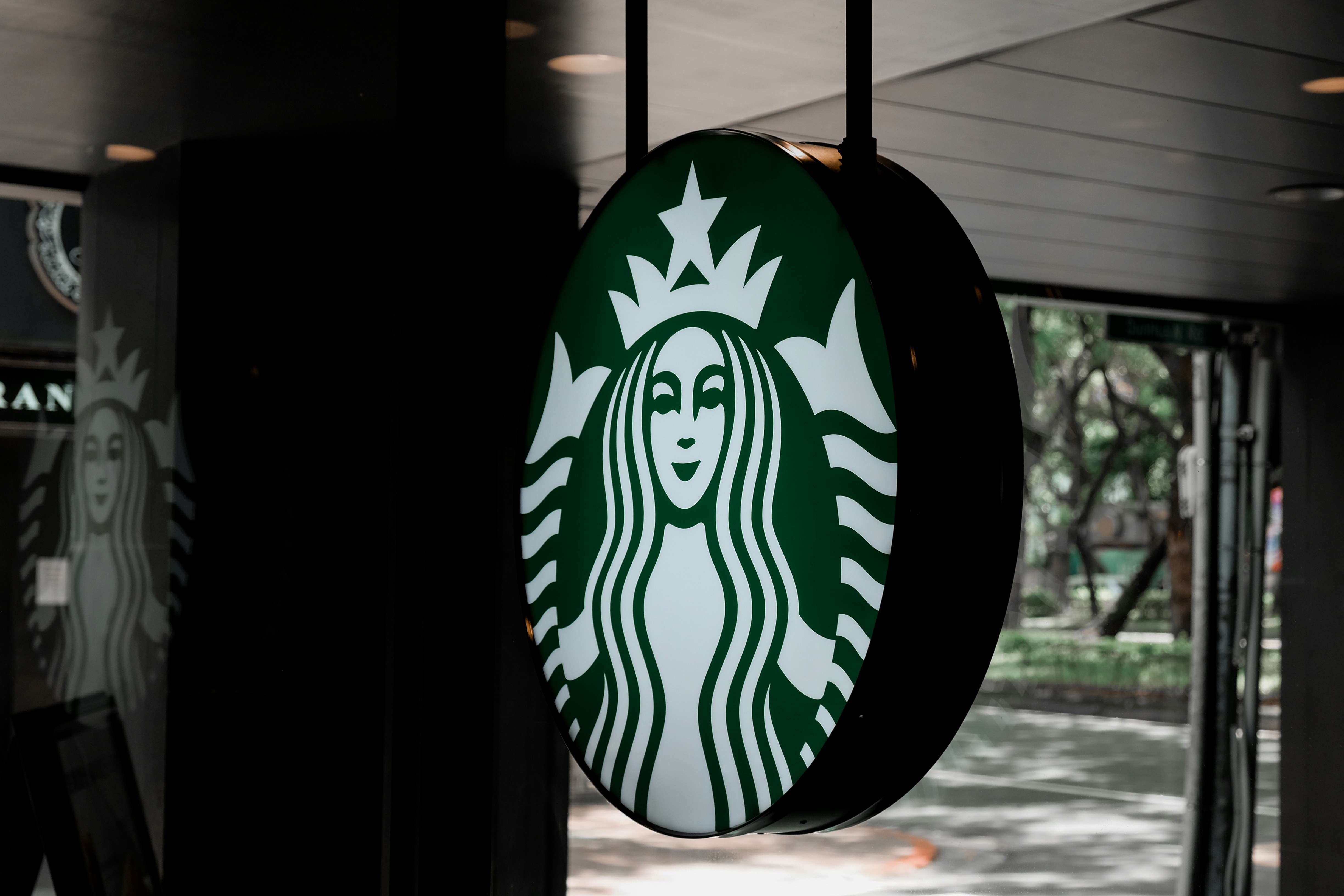
Next, let’s look at Starbucks. Starbucks also has buy-one-get-one-free deals from time to time, but you can recall if you feel like you’re getting a good deal every time you buy Starbucks! After all, coffee doesn’t fill you up, so why do we have to buy Starbucks buy-one-get-one-free instead of CityCaffee’s stored-value-card buy-one-get-one-free?
You might be pursuing a kind of social status. Every time you see that green logo, you unconsciously think of buy-one-get-one-free, and occasional deals make you feel itchy, but is it really worth it? From my perspective, drinking Starbucks is more like entertainment spending than food spending!
Buy-One-Get-One-Free, Happiness or Pressure?
The concept of buy-one-get-one-free triggers certain emotions in us. For McDonald’s, it might be satisfaction and security; for Starbucks, it might be pride or pressure. These emotions influence our purchasing decisions.
Of course, buying something to drink shouldn’t be stressful, but you can recall when everyone in the office is getting Starbucks buy-one-get-one-free, a NT$120 (USD $3.75) drink still costs NT$60 (USD $1.88) even with the deal! At this time, it’s fine for people with higher incomes, but from a financial perspective, a NT$60 (USD $1.88) drink isn’t necessarily a necessary or truly needed expense; it might become a social connection in the office.
What Does It Mean When You Go to McDonald’s for Buy-One-Get-One-Free?
When you see your friends showing off their buy-one-get-one-free deals on social media, do you also want to join in? This is the effect of social exposure and the bandwagon effect.
I once shared a story about a hot girl breaking a glass bottle of milk at the High-Speed Rail station. It went like this: one day, I was at the High-Speed Rail station when a hot girl in a short skirt walked towards me, and as we passed each other, there was a crash, and a glass bottle fell to the ground, spilling white liquid everywhere. I didn’t even need to look to know it was Dr. Milk. So that morning, my breakfast became Dr. Milk.
We all have moments when we’re triggered, just like when we see friends on social media showing off McDonald’s’s buy-one-get-one-free, and we follow suit.
(I want to eat McDonald’s today too)
Buy-One-Get-One-Free Isn’t Wrong! But It Should Be Based on Your Essential Needs
Imagine you’re walking down the street and see McDonald’s and Starbucks, both offering buy-one-get-one-free deals. Your choice will reflect your values and lifestyle. If your buy-one-get-one-free is based on “necessity,” then it’s okay to buy as much as you want! If it’s just “need” or “want,” then you can think about whether it’s really necessary.
Further Reading
Lazy Conclusion

🚀 已有 1,000+ 讀者加入理財成長之路