財務工具與金融商品
Will the AI Capex Bubble Burst? The "Rule of 25" Drawn From 250 Years of Market History
When will the AI capex bubble burst? Barron's uses 250 years of market …
2026-08-29
7 分鐘 →
The first half of 2024 rode the NVIDIA hype wave, but starting in July, the market began a relentless decline. The monthly candlestick chart looked ominously dark, as if it were the end of the world — and it might have scared you if you were just getting started with investing.
If you feel your retirement savings aren’t enough and want to start investing? I’ll tell you straight: the best time to start investing is — today!
By following these 6 steps, you can completely overcome your fear of investing.
Starting anything new can feel exciting or scary — especially investing, since it can have a long-term impact on your finances. There will be ups and downs along the way, but don’t give up. Here are six easy-to-follow steps (plus some investing basics) to help you get a foundational understanding of investing.
People often say the key to getting out of consumer debt is understanding “why you shouldn’t owe money on purchases.” Why do you need to get rid of consumer debt? What specific goal drives you to pay it off? Having a clear reason for eliminating consumer debt gives you hope on your journey to financial freedom. The simplest reason: consumer debt is an expense — it’s not income, and it’s not productive debt.
The same applies to investing. The key to starting is having clear goals. Are you investing for retirement? For your children’s education? For a home down payment? Or to save up for a new car?
Find your “why” for investing — and your hard-earned money will automatically go to work for you in the market.
Your personal savings rate has a massive impact on your retirement or short-term savings. Research shows it’s the single most important factor in successfully building a retirement fund.
Why aim for 15% of gross income for retirement? Because even while investing, you have other goals that need funding — like saving for a home down payment, paying off a mortgage early, or building a children’s education fund.
Just remember: before saving for your children’s education or other financial goals, first allocate 9%–15% of your income to retirement. Missing other financial goals is a minor issue, but aging and retirement are inevitable realities everyone must face.
Think about it: if you invest 9%–15% of your gross income consistently for 30 years (assuming an average 10% annualized return), the miracle of compound growth means your hard-earned money can grow automatically over time. Pretty amazing, right?
| Monthly Salary | Investment Amount (15%) | Investing Period | Annualized Return | Final Amount (approx.) |
|---|---|---|---|---|
| NT$30K | 4,500 | 30 years | 10% | 10,283,317 |
| NT$50K | 7,500 | 30 years | 10% | 17,138,862 |
| NT$70K | 10,500 | 30 years | 10% | 23,994,406 |
*This formula calculates the final amount of a periodic investment over time:
[ Final Amount = Investment Amount × ((1 + Annualized Return)^{Investing Period} − 1) / Annualized Return ]
Explanation:
Investment Amount: The amount you invest each period.
Annualized Return: The expected annual rate of return on your investment.
Investing Period: The total number of years you invest.
This formula accounts for the compound effect — meaning each year’s returns get reinvested to earn even more the following year.
Once you’ve paid off all consumer debt, you can confidently allocate that 9%–15% to your retirement plan. Simply set up automatic payroll deductions — you won’t even miss it. Then you can more clearly determine how much you’d like to invest for children’s education or other short-term savings goals.
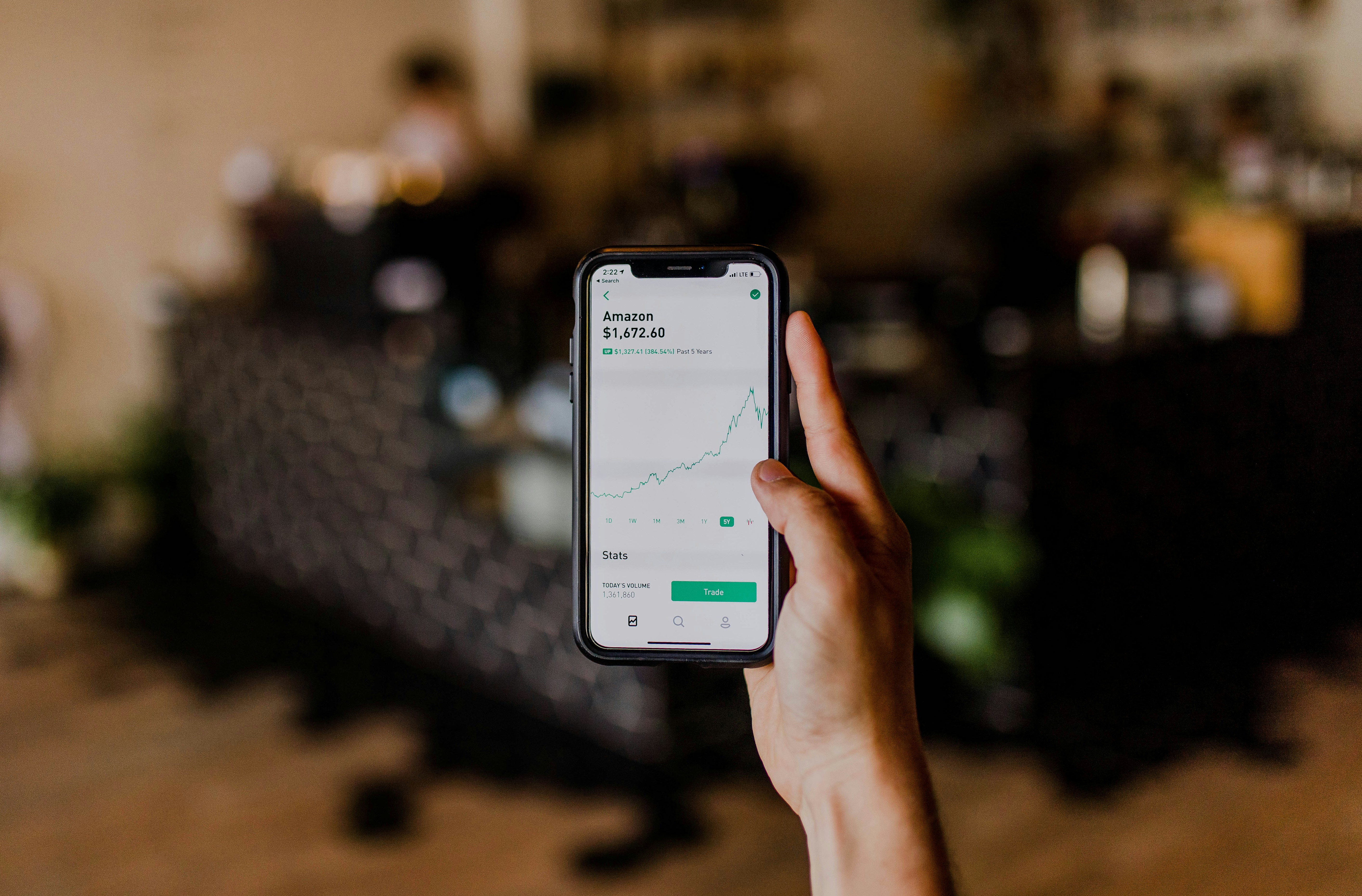
The next step is deciding where to put your money. You have many investment tool options — different types are designed for different investment goals.
In Taiwan, when it comes to retirement savings — money you won’t need until you’re older — there’s a simple rule of thumb to remember:
Tip
“Getting it in is great, not being able to take it out is even better, don’t worry about extra earnings, and once it’s enough, more is just less.”
What does this mean? Basically, you’ll have a Labor Insurance Old-Age Benefit plus a Labor Pension Benefit. If you’re willing to increase your voluntary pension contribution (勞退自提), your retirement security will be even stronger. After all, retirement money is for when you’re older — nobody wants to keep working just to cover living expenses in their golden years, right?
Let’s assume someone earning NT$50,000/month, with the employer contributing 6% plus a voluntary contribution of 6%. In a previous episode — EP20: What Is Voluntary Pension Contribution, and the Difference Between Earning Power and Investment Returns — I mentioned that the currently estimated pension return rate is above 4%. Let’s be conservative and use 4%. Normally, everyone’s salary will grow over time — let’s just assume 2% growth (matching the average inflation rate). For average remaining life expectancy, let’s estimate on the higher side at 23 years.
Under these conditions, how much pension could you expect?
| Item | Estimated Monthly Benefit |
|---|---|
| Labor Insurance Old-Age Pension | Approx. NT$28K–31K |
| Labor Pension (with voluntary contribution) | Approx. NT$63K |
| Labor Pension (without voluntary contribution) | Approx. NT$43K |
With versus without voluntary contributions, the monthly difference is NT$20,000 in living expenses — that NT$20,000 comes directly from your own 6% voluntary contribution.
Of course, nobody thinks they have too much money. But don’t forget what was discussed in the article “Knowing How Much Is Enough Matters More Than How Much You Have” — knowing “enough” is more important than chasing “more.” So if a retirement income of NT$60,000–80,000/month is sufficient for your lifestyle, then we can start considering pursuing additional returns — because you’ve already secured peace of mind on the retirement front.
ETFs are fund types designed to mirror market indices (like the Dow Jones or S&P 500). The article Affordable ETF 0050 vs. Luxury ETF VOO — Which Is Better for Your Long-Term Investment? covers the differences between ETFs. The longer you keep your money in ETFs, the more likely you are to see growth. This makes ETFs an excellent tool for financial goals like buying a home or a car — as long as you don’t plan to use the money for at least five years.
Savings accounts and time deposits are ideal for low-risk, short-term savings. They’re a great place to store emergency funds or savings you plan to use within five years. But remember — the interest likely won’t keep up with inflation, so these accounts aren’t for long-term savings plans. They’re just for holding money you’ll need periodically.

If you’re someone who’d rather have more time to do the things you love, then passive investing is the best approach for lazy people — just put your money in, and it grows automatically. Recommended reading: ETF Beginner’s Guide — ETFs Aren’t Limited to SPY, VOO, and QQQ!
Once your financial goals are set — whether it’s buying a home, a car, children’s education, or something else — you’ll choose your investment approach based on the timeline of each goal. Then it’s just a matter of timing your withdrawals.
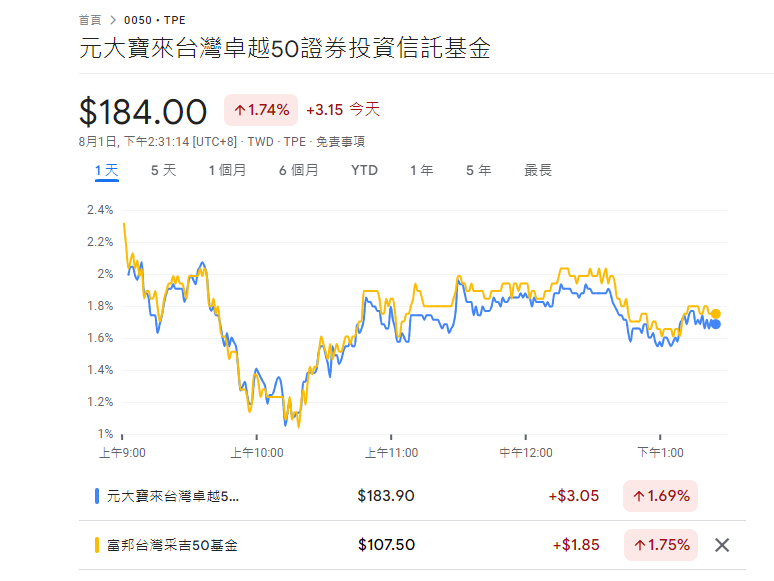
For Taiwan stocks, you can choose to track the top 50 by market cap with 0050 or 006208. In recent years, 006208 has slightly outperformed 0050 in tracking, and its expense ratio is a bit lower as well.
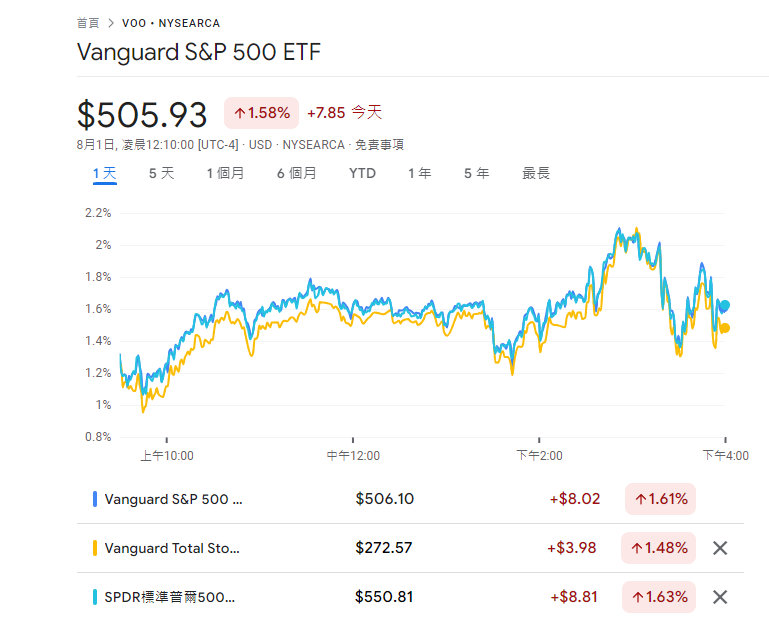
For US stocks, check out VOO, VTI, and the S&P 500 — ETFs that track top American companies.
| Feature | VOO | VTI | SPY |
|---|---|---|---|
| Expense Ratio | 0.03% | 0.03% | 0.09% |
| Assets Under Management | ~$1.1 Trillion | ~$2.5 Trillion | ~$4.1 Trillion |
| Price Per Share (2024) | ~$430 | ~$230 | ~$450 |
| Annualized Return (10-yr) | ~12.2% | ~12.0% | ~12.1% |
| Dividend Yield | ~1.5% | ~1.5% | ~1.5% |
| Number of Holdings | ~500 | ~4,000 | ~500 |
As we mentioned before, a good growth-oriented ETF is the best investment for long-term, consistent growth. Why? Because they let you spread your investment across dozens (or even hundreds) of company stocks — from the largest and most stable to the newest and fastest-growing.
Spreading your money around is a key investing principle — part of diversification — which helps you avoid the risk of buying a single stock.
Ever heard the phrase “don’t put all your eggs in one basket”? Well, ETFs literally put your eggs into many different baskets.
Yes, it really is that simple! Keeping your portfolio balanced with these types of ETFs helps you minimize risk while still capturing the returns the stock market offers.
If you’re confused about ETF options, consult a financial advisor or investment professional. They can help you understand the details so you feel confident about how to invest your money.
Nobody’s investment strategy should be “all-in, YOLO”… right?
Yay! With our investment choices and strategy in place, it’s time to actually open an account and start contributing!
So where do you begin with retirement savings? It’s actually quite simple.
Just remember:
Tip
“Getting it in is great, not being able to take it out is even better, don’t worry about extra earnings, and once it’s enough, more is just less.”

It really is that simple. Your income is your most powerful wealth-building tool. As long as it’s tied up in monthly debt payments, you can’t accelerate your wealth accumulation — it’s like trying to fill a bucket that has holes in it.
By building a consumer-debt-free foundation and storing substantial savings in the bank, you’re on the right path to building wealth.
In fact, there’s a group of people known as the financially free who’ve used this method to save tens of millions of NT dollars — and that’s completely normal. On average, they paid off all their debts and reached a net worth of tens of millions within about 10–15 years.
🔒 免費訂閱,隨時可退訂
📩 訂閱即送 · Lead Magnet
訂閱即送 「ETF 懶人投資工具包」(VT/VOO/QQQ/0050 速查表、投資前檢查清單、定期定額紀律表)。有值得講的才寄 · 隨時退訂。