
Break the Paycheck-to-Paycheck Cycle! 8 Hidden Money Leaks and How to Fix Them
In this article, you'll learn:
Why Is Saving Money So Important for Young People in Taiwan?
Saving money is the first step toward financial freedom. Not only does it help young people handle emergencies — like a temporary job loss, a sudden illness, or an accident — but even if no crisis ever comes, savings help young people achieve long-term goals like buying a home, buying a car, traveling abroad, or planning for retirement.
From my own experience, before I had a proper financial plan, every end of the month was chaos, and my savings account was always at zero. I later realized that saving money is more than just accumulating numbers — it’s an expression of a whole lifestyle attitude. This resonates with the “lazy personal finance” (懶人理財) philosophy this site promotes, and it’s particularly fitting for busy office workers in Taiwan.
8 Common Reasons Why Young People in Taiwan Can’t Save Money
Here are the eight most common savings obstacles — each paired with a solution to help you start building wealth the easy way:
Spending More Than You Earn
This is the most fundamental problem. When spending exceeds income, you start going into debt and can’t save anything. It’s like patching a leaky bucket — money always drains away.
Solution: Track your expenses diligently and control your spending. For example, skip your daily bubble tea (珍奶, a popular Taiwanese drink), or cancel subscriptions you’re not using. You can use a budgeting app to quickly get a handle on your income and expenses and find places to cut. Personally, I rarely track expenses anymore — but only because I’ve already baked past financial planning lessons into my daily habits.
No Budget Plan
Without a budget plan, money easily gets spent on unnecessary things. By the end of the month you notice your wallet is empty — of course saving is hard.
Solution: Make a simple budget, listing income and expense categories. I have my own personal financial statement that lists essential spending and sets limits on “want” spending. (I have about NT$25,000 or more in monthly debt obligations.) The key isn’t how detailed the categories are or how pretty the format is — it’s whether it gives you the benefit of “understanding your own finances.”

Too Much Debt
If you’re carrying a large amount of debt — especially high-interest credit card revolving debt (循環信用) or cash card debt — the interest eats up your income and makes saving even harder. If it’s reasonable debt like a mortgage or car loan that’s a necessary living expense, then it’s about proportionality — just make sure your total debt doesn’t become excessive.
Solution: Prioritize paying off high-interest debt. You can use the “snowball method” (pay off smaller debts first) or the “avalanche method” (pay off highest-interest debt first) to free up more cash for saving. Because none of this debt appreciates in value (unless it’s a mortgage).
Lack of Financial Knowledge
Not being familiar with how money works or basic investment concepts leads to bad decisions that undermine your savings. Or you might try to get rich through investing and stumble into investment traps.
Solution: Learn more about personal finance. Read articles on Lazy to Be Rich or pick up some personal finance books to build your basic financial literacy (財商, financial IQ).
Lifestyle Inflation
When your salary increases, many people start spending more — buying more things, upgrading their lifestyle — and still can’t save. Like getting a raise and immediately buying more consumer goods or luxury items. The money’s gone again.
Solution: When you get a raise or extra income, save 50%–70% of it first — don’t let your desires swallow your savings plan. Revisit your savings goals — investing more money is about reaching your goals sooner.
Procrastination and Lack of Motivation
Always telling yourself “I’ll start saving next month” — and it never happens. Because you can’t see the immediate benefit, saving is easy to ignore.
Solution: Start small, and set up automatic transfers so money goes into your savings account at the beginning of each month automatically. No need to think about it — you’ll build the savings habit naturally.
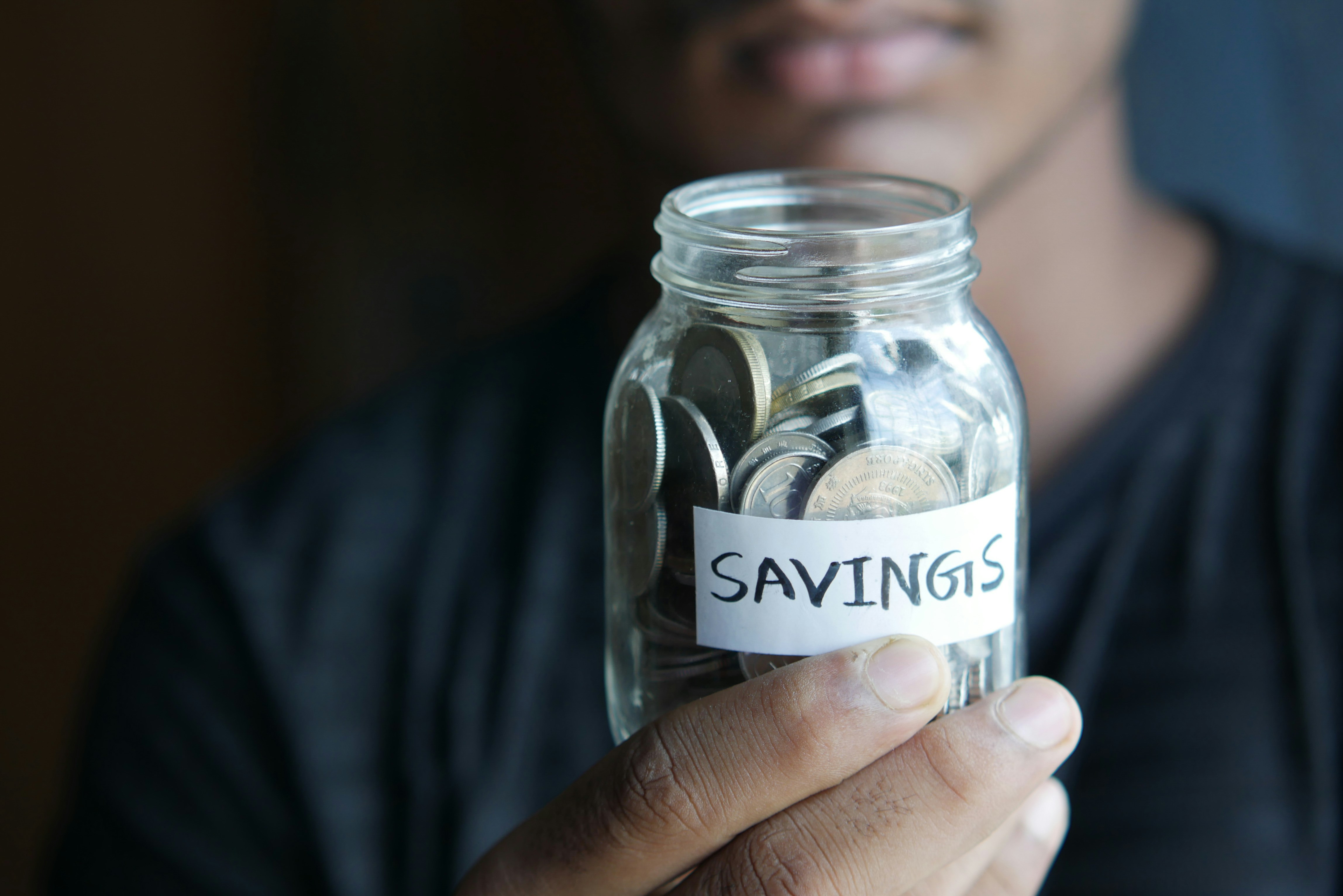
Unexpected Expenses
Life is full of surprises — a car breakdown, a family member’s illness. These unexpected situations can drain your savings to zero and derail your saving progress.
Solution: Build an emergency fund. It’s recommended to set aside 3–6 months of living expenses as an emergency fund so surprises don’t blow up your savings plan.
Fear or Anxiety About Money
Some people are afraid to face financial problems — they’d rather not look at their bills or avoid making decisions. The result is greater financial chaos, making saving even harder.
Solution: Face reality bravely and gradually learn your own financial situation. If you need help, consider consulting a financial advisor or discussing it with friends to ease the pressure around saving.
By the Numbers: The Long-Term Power of Saving (Using VOO as an Example)
Let’s see the power of saving in action! Suppose you save NT$10,000 per month and invest it in an ETF with a 13% annual return (such as VOO). How much will you have in 20 years? Here’s the estimate (assuming a Taiwan investment environment with applicable taxes and fees deducted):
| Years | Monthly Contribution of NT$10,000 | Accumulated Value (NT$) |
|---|---|---|
| 5 years | NT$600,000 | ~NT$850,000 |
| 10 years | NT$1,200,000 | ~NT$2,300,000 |
| 20 years | NT$2,400,000 | ~NT$10,000,000 |
That’s the power of compounding! Starting to save and invest early lets you build wealth the easy way. Of course, investing still carries risk — but choosing the right tools minimizes that risk, making it especially suitable for young investors in Taiwan.
Further Reading
Lazy Da’s Wrap-Up

The 8 reasons and solutions above are all just concepts — real results only come from your own day-to-day practice.
Saving money really isn’t that hard. Start with small goals, set a plan, slowly build habits, and the money will start accumulating. Stop procrastinating — take action now! Start with tracking your expenses, setting up automatic transfers, or building your emergency fund. These small steps will all help you get closer to financial freedom.
I hope this article helps you find your path to saving, and you become that financially savvy person who’s great at both earning and saving! Who doesn’t want to be a smart investor?
Don’t forget to follow me on social media and interact with me:
🚀 已有 1,000+ 讀者加入理財成長之路