
Book Review: "Money Master" — Break Free from 4 Poor-Person Mindsets and Build Your Wealth Mentality
In this article, you'll learn:
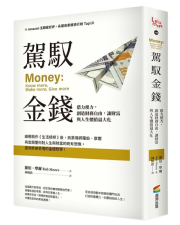
Your Money Mindset Determines Your Wealth
Poor money mindset vs. wealthy money mindset
| Poor Mindset | Wealthy Mindset |
|---|---|
| Money is the root of all evil | Money is the root of all good |
| You need money to make more money | You only need ideas, beliefs, and services to create more money |
| The money system is evil, unfair, and corrupt | The money system is great — it effectively measures value and accelerates money flow |
| You have to work hard to earn money | You make money work for you |
| When I earn money, someone else loses | When I earn money, I can help more people |
| I don’t have time to make money | I don’t have time for low-value tasks |
| I can’t do it because I’m not good enough | I have valuable skills the world needs, and I can create wealth with them |
| I don’t deserve to be rich | I was meant to be wealthy — and wealth lets me help others become wealthy too |
| After paying bills and living expenses, nothing’s left | I invest in myself first, then pay bills and living expenses with what’s left |
| People will judge me and think money changed me | People will judge you no matter what |
Reject BCDJ
BCDJ is the biggest obstacle to building wealth (honestly, I think it applies to just about everything in life).
Blame
The biggest problem with blaming everyone and everything: other people’s perception of you changes, and you change how you see yourself too. You become bitter instead of better. And people start avoiding you.
Complain
Blaming isn’t the same as complaining — complaining is the result of blaming. It’s a way of venting regret, anger, and feelings of unfairness. Nobody enjoys listening to complaints, and no one says “thanks for complaining to me.” It’s just negative energy spreading around.
Try the 30-day no-complaining challenge.
Defend
Defending your position and decisions is actually exhausting. In most cases, when you explain yourself and defend your stance, the other person wasn’t planning to change their mind anyway. Arguing for the sake of arguing — why waste the time?
Practice listening, smiling, and considering their criticism. No need to fight back — just keep moving forward. Pay attention to when you feel the urge to defend yourself, but stay quiet. This saves a ton of time that you can use for making money and creating positive impact.
Justify
Wanting to justify your decisions and actions is essentially questioning yourself. Like defending, it’s a waste of air and energy. Why do you need someone else’s approval? Unless they’re someone you truly respect and care about. Only you know which actions create value for yourself and others. You can feel in your heart whether your actions are true to who you are — that’s the only answer you need. Generally speaking, it’s better not to tell others about your plans and goals, so you won’t have to deal with their objections.
VVKIK: From Abstract to Action — The Cycle
- Vision
- A single sentence or paragraph that defines your life’s purpose — knowing exactly what your life goals are. Your vision will leave a lasting legacy when you pass, and it lives in every single day you’re alive.
- Values
- Your values are your concept of life and the guiding principles for everything you face. Values influence how we perceive, think about, decide, and act on every matter.
- Practice the following steps:
- Write down the most important goals in your life
- Family goals, wealth goals, freedom goals, learning goals, success goals, growth goals, travel goals, knowledge goals.
- Prioritize your goals
- Rank by where you spend your money? By what you want most? By what’s easiest? You decide!
- Write down the most important goals in your life
- Key Result Areas (KRAs)
- To achieve your ultimate goals, you need to focus on “key results.” Key Result Areas means listing three to seven areas you value most — where you must invest the most time and resources to create maximum wealth, income, and career growth.
- Income Generating Tasks (IGTs)
- Key Performance Indicators (KPIs)
The Wealth Creation Formula
W=(V+FE)*L
Wealth = (Value + Fair Exchange) * Leverage
*Value: The perceived worth of the service you provide to others
*Fair Exchange: The money you receive in return for your service
*Leverage: The scale and speed at which your product/service generates income, plus the peripheral benefits it creates.
Behavioral Comparison: Rich vs. Poor
| Traits of the Wealthy | Traits of the Poor |
|---|---|
| Take full responsibility | Blame others and make excuses |
| Pursue wealth, think big | Dream of getting rich, think small |
| Create and spot opportunities | Consume and depend on others |
| Study money, admire the wealthy | See problems, believe money is bad |
| Have a rich social network | Have a very limited social network |
| Excel at sales, marketing, seize opportunities | Can’t sell, market, or seize opportunities |
| Good at accepting help, leverage it | Bad at accepting help, become others’ leverage |
| Stay persistent, manage money well | Start over, mismanage money |
| Make money work for them | Work hard trying to earn money |
| Learn and grow, manage fear | Think they know enough, ruled by fear |
| Look to the future, listen to mentors | Dwell on the past, only listen to friends |
| Emotionally balanced | Controlled by extreme emotions |
Due to web layout limitations, the table might not display perfectly on mobile. If you’re interested in the tables, feel free to come back and read on a computer when you have time. Thanks!
Further Reading
Lazy Da’s Conclusion

🚀 已有 1,000+ 讀者加入理財成長之路
Buy the Book